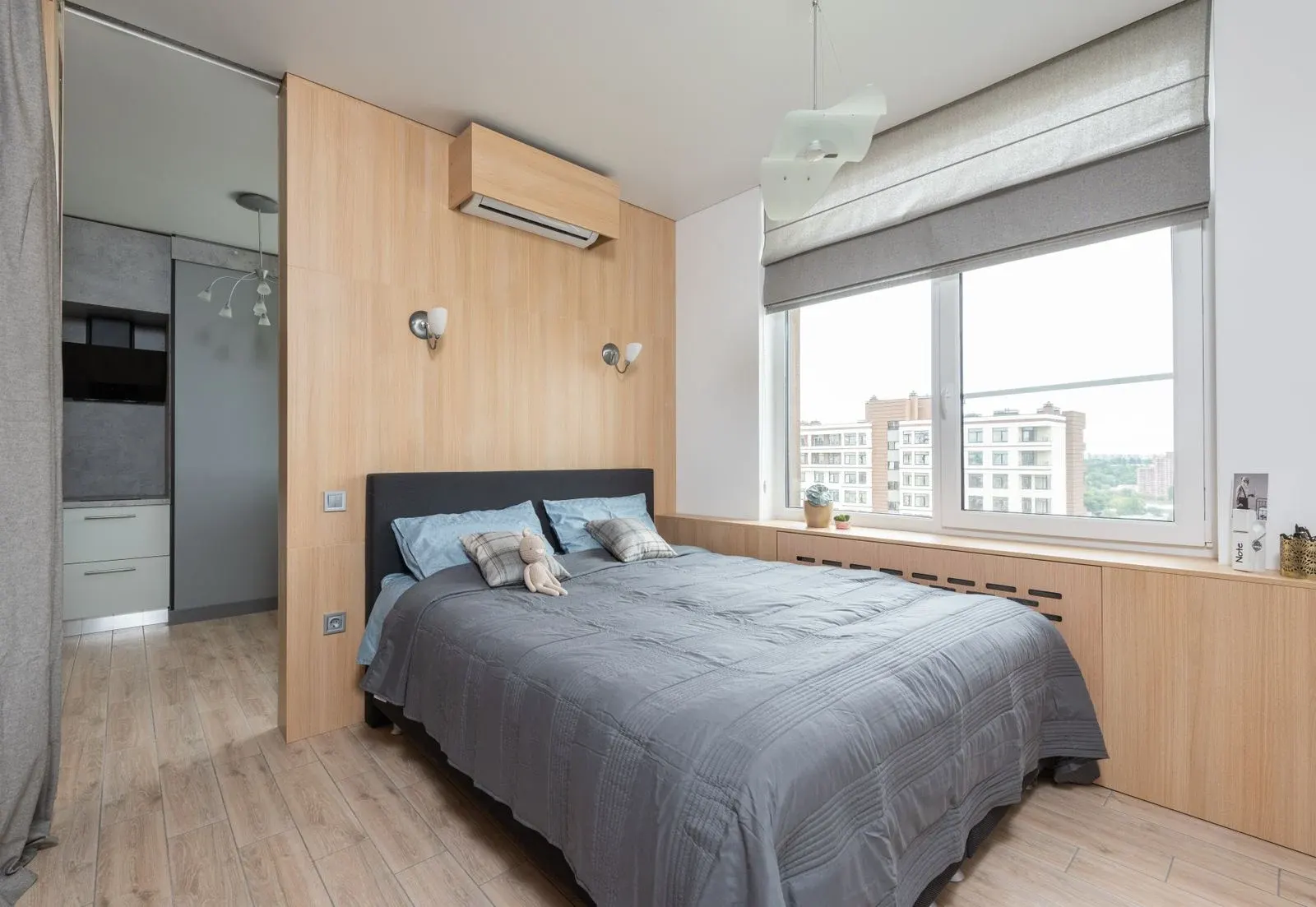
Interior design
Bedroom Design: Balance Rest, Storage and Everyday Routines
A bedroom needs to work at the beginning and end of the day. Sleep, dressing, reading and storage should each have a considered place. The room can feel calm without becoming empty, provided furniture positions, lighting and the contents of storage are resolved before decorative styling.
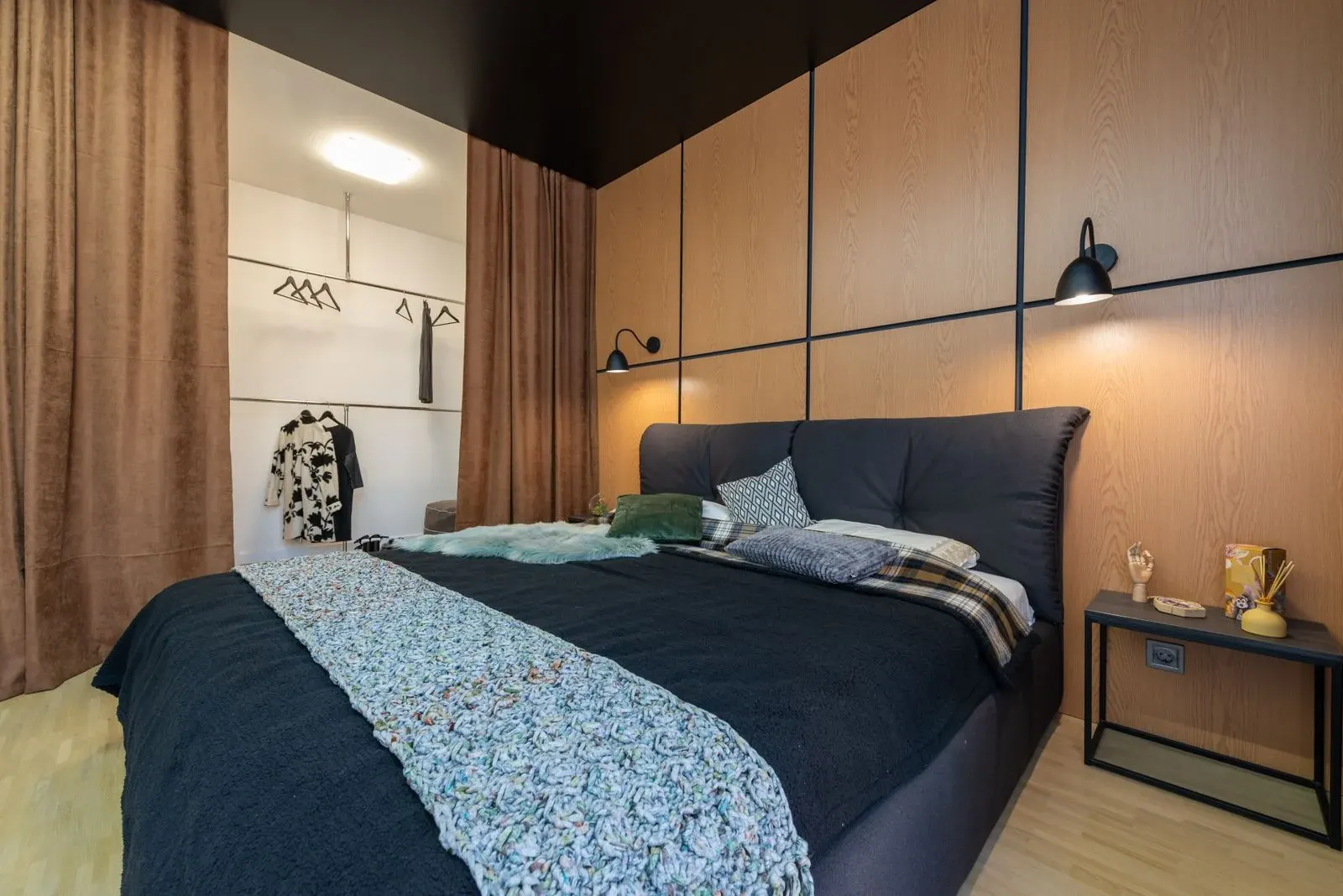
Place the bed in relation to the room
Review doors, windows, the preferred view and the main route to wardrobes or an ensuite. A symmetrical arrangement may look appealing but should not override usable movement.
Test the actual bed and bedside furniture dimensions on a plan. Consider how curtains operate and whether opening a wardrobe interrupts access. If the room is compact, the right combination of furniture may matter more than making the bed wall a large decorative feature.
Design storage for the contents
List hanging clothes, folded items, shoes, luggage and everyday accessories. Storage interiors should reflect those needs. A wardrobe drawing that shows only external doors does not describe how the unit will function.
Check which items need easy access and whether seasonal storage can sit elsewhere. Coordinate handles, door movement and any internal lighting. Consider supplier systems before assuming that every compartment must be fabricated as a unique custom detail.
Review light from the bed
Think about reading, dressing and moving through the room at night. Bedside light should serve the person using it without creating unnecessary disturbance for another occupant.
Review the visibility of ceiling fittings from a reclined position. Control locations deserve the same care as fixture appearance. A restrained evening setting and a brighter dressing setting can coexist when the lighting groups and switches are planned around use.
Keep comfort and maintenance in the palette
Soft textures can add warmth, but the selection should suit the user's cleaning routine and preferences. An upholstered headboard, a heavily textured wall or pale floor finish each brings practical considerations.
Review samples with the bedding and curtain fabric so the room does not depend on one perfectly matched photograph. Leave some flexibility for changing bedding or personal items over time. Calm comes from a coherent composition, not from preventing the room from being lived in.
Your review checklist
- Check the bed and door movements
- List wardrobe contents
- Review lighting from a reclined viewpoint
- Plan convenient switches and charging
- Choose finishes with maintenance in mind
Is a feature headboard essential?
No. It can organize the bed wall, but a simpler backdrop may suit the room and budget better. Prioritize the layout, storage and lighting before deciding how much decorative detail the bed wall needs.
FROM READING TO YOUR OWN SPACE
Discuss your design brief.
Explore ArchiNova’s design services, or share your project location, approximate area and priorities with us.
Start a conversation ↗